7 Benefits of QR Code Menus for Your Restaurant
QR code menus offer more than contactless dining. Discover 7 practical benefits - from cost savings to multilingual support - that directly impact your restaurant's bottom line.
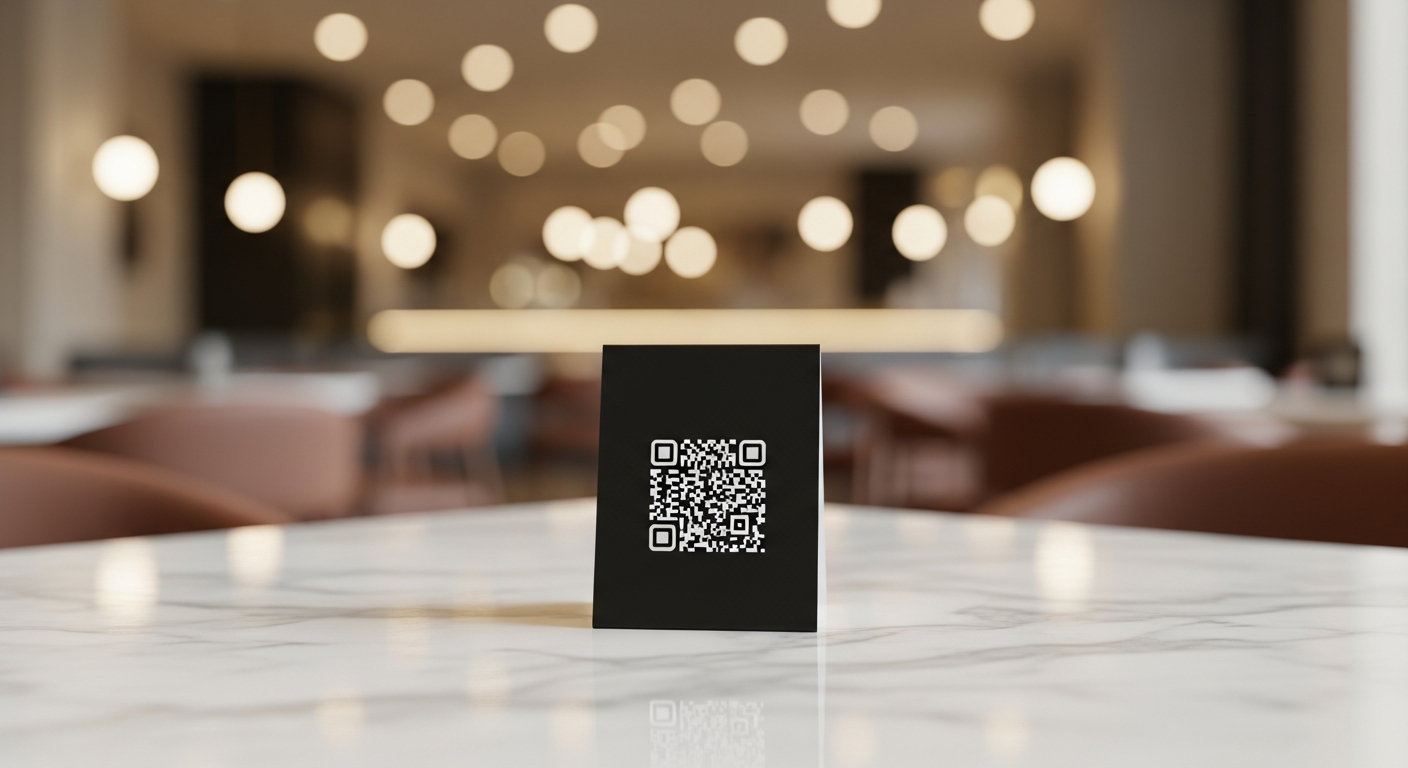
QR code menus exploded during the pandemic, but their value extends far beyond contactless hygiene. Restaurants that kept their QR menus after restrictions lifted discovered something surprising: they were actually better than paper in almost every measurable way. According to a Hospitality Technology survey, over 50% of restaurant operators plan to continue expanding their use of QR-based technology through 2026 and beyond.
If you are still on the fence about QR code menus, here are seven concrete, detailed benefits that explain why they are not just here to stay - they are becoming the new standard.
1. Instant Updates, Zero Reprinting Costs
With a paper menu, every change means a trip to the printer. Seasonal specials, price adjustments, sold-out items, new dishes from the kitchen - each one costs time and money. Depending on the quality and quantity, a single print run can cost anywhere from a few hundred to over a thousand dollars. For restaurants that update their menus frequently, those costs compound quickly over the course of a year.
A QR code menu changes all of this. You can update your offerings in real time from any device with an internet connection. Ran out of the salmon at 7 PM on a Friday? Remove it in seconds and it disappears from every table simultaneously. Launching a weekend brunch menu? Publish it on Friday evening and it is live by Saturday morning. Want to run a happy hour special from 4 to 6 PM? Schedule it to appear and disappear automatically.
Over a year, the printing cost savings alone can be substantial - hundreds to thousands of dollars returned directly to your bottom line. But the real value is operational agility. Your menu is always accurate, always current, and always reflecting exactly what your kitchen can deliver right now.
2. Beautiful, Visually Rich Presentation
A paper menu has limited real estate. You cannot include a photo of every dish without turning it into an unwieldy catalog, so most restaurants settle for a few hero images or none at all. This is a missed opportunity, because diners eat with their eyes first. The visual presentation of food is one of the most powerful drivers of ordering behavior.
QR code menus have no such constraint. Every single item can feature a high-quality photo, a detailed description, ingredient lists, and even preparation notes - all without cluttering the layout. The digital format allows for clean, scrollable sections where guests can explore at their own pace. Menu items with professional photos consistently see significantly higher order rates compared to text-only listings, which leads directly to higher revenue per table.
Platforms like Vino even offer AI-powered image enhancement, so you do not need to hire a professional food photographer. You can snap a photo with your phone, and the platform will enhance it to look polished and appetizing. For items where you do not have any photo at all, AI can generate realistic dish images from your description.
3. Multilingual Support for International Guests
If your restaurant serves tourists or operates in a multicultural city, language is a real barrier. A guest who cannot read your menu is unlikely to order adventurously - they will stick to safe, recognizable items or, worse, walk out entirely. Printing menus in four or five languages is expensive, logistically complicated, and takes up valuable table space.
A digital QR code menu can auto-detect the guest's phone language or offer a simple language switcher at the top of the screen. The guest taps their preferred language, and the entire menu - including dish names, descriptions, ingredient lists, and allergen information - appears in their native tongue. The experience is seamless and instant.
Vino supports over 30 languages out of the box with AI-powered translations, making it ideal for restaurants in global hubs like Dubai, London, Singapore, Barcelona, and New York. This is not machine-translated gibberish - it is natural, readable text that makes international guests feel genuinely welcome. Check out our pricing plans to see which tier includes multilingual support.
4. Dietary and Allergen Filtering
Modern diners have diverse dietary needs - vegan, vegetarian, gluten-free, halal, kosher, nut-free, dairy-free, and more. On a paper menu, these are usually indicated with tiny icons that guests have to squint at, cross-reference with a legend at the bottom of the page, and hope they are interpreting correctly. It is a stressful experience for anyone with a serious allergy.
A QR code menu transforms this entirely. Guests can filter the entire menu by their specific dietary requirements, showing only the items that are safe and relevant for them. A celiac guest taps "Gluten-Free" and instantly sees every dish they can safely order, without scanning through dozens of items that do not apply. A vegan guest sees only plant-based options. A parent with a nut-allergic child can filter with confidence.
This is not just a convenience - it is a safety feature. In many jurisdictions, clear allergen communication is a legal requirement, and violations can result in serious liability. A digital menu makes compliance effortless and documentation automatic. It also shows your guests that you take their health seriously, which builds trust and loyalty.
5. Real-Time Analytics and Insights
Paper menus tell you nothing about guest behavior. Which items do people look at the longest? Where do they lose interest and stop scrolling? What is the most viewed dish that rarely gets ordered - a sign your description or pricing might need work? Which section of the menu gets skipped entirely? These are critical questions for menu engineering, and paper gives you zero answers.
A QR code menu platform provides this data automatically and continuously. You get a dashboard showing views per item, conversion rates from view to order, popular browsing paths, peak usage times, average session duration, and more. You can see that your appetizer section gets three times more views than your desserts, or that guests who view the wine list spend 40% more on average.
Armed with these insights, you can optimize your menu layout, adjust pricing strategy, rewrite underperforming descriptions, and identify items that should be promoted or retired. This is data-driven menu engineering - the same approach that the most successful restaurant groups in the world use to maximize profitability.
6. Faster Service and Higher Table Turnover
When guests can browse the menu on their own phone the moment they sit down - without waiting for a server to notice them, walk over, and hand them a physical menu - the ordering process speeds up significantly. The dead time between being seated and placing an order shrinks, which cascades into faster service throughout the entire meal.
Some restaurants pair QR menus with direct ordering capability, letting guests place their order from the menu without flagging down staff. The order goes straight to the kitchen display system, cutting out an entire step in the service chain. This does not replace the human element of hospitality - it frees your team to focus on genuine guest interaction rather than logistics.
Faster ordering means faster table turnover, which means more revenue per shift. For busy restaurants operating at or near capacity, even a ten-minute reduction in average table time adds up dramatically. Over a month of dinner service, that could mean dozens of additional covers - each one contributing to your top line without any increase in fixed costs.
7. A Stronger, More Cohesive Brand Experience
Your menu is one of the most important touchpoints with your guest. It is often the item they spend the most time interacting with during their visit, more than any decor element or piece of signage. A stained, dog-eared, faded paper menu does not exactly reinforce the quality and care you have invested in every other aspect of your restaurant.
A sleek, branded digital menu - complete with your logo, your color palette, your typography, and curated photography - reinforces the experience you have built from the moment the guest walks through the door. It is consistent, always pristine, and always on brand. It tells the guest that you pay attention to details and that you invest in their experience.
With platforms like Vino, you can customize the look and feel of your digital menu to match your brand identity exactly. Choose your colors, upload your logo, select your font style, and arrange your menu sections in the order that tells your story best. The result is a cohesive, premium brand experience that starts before the first bite.
The Bottom Line
QR code menus are not a pandemic trend that will fade with time - they are a permanent upgrade to how restaurants operate and how guests dine. They save money on printing, increase revenue through better visual presentation, improve the guest experience through personalization and filtering, and give you data and insights you never had access to before.
If your restaurant has not made the switch yet, the question is not whether you should - it is how much revenue and efficiency you are leaving on the table every day that you wait. As we explored in our article on why digital menus are the future, the momentum behind this shift is only accelerating. The technology is proven, the cost is minimal, and the upside is significant.
Ready to go digital?
Create your restaurant's smart digital menu in minutes with Vino. No app downloads, no complicated setup.
Latest Posts
Digital Menu for Food Trucks: Why It Beats a Chalkboard Every Time
7 min read
Digital Menu Pricing Psychology: 9 Layout Tricks That Increase Average Order Value
6 min read
Digital Wine Lists and Beverage Menus: The Untapped Upselling Opportunity
5 min read
How to Increase Restaurant Table Turnover Without Rushing Your Guests
7 min read